NEWS
· 25.09.2008
Wastewater from Georgia and Armenia has raised the level of water pollution in the Kura and Araz rivers
7 675
S
sazan
·
Added 25 September 2008
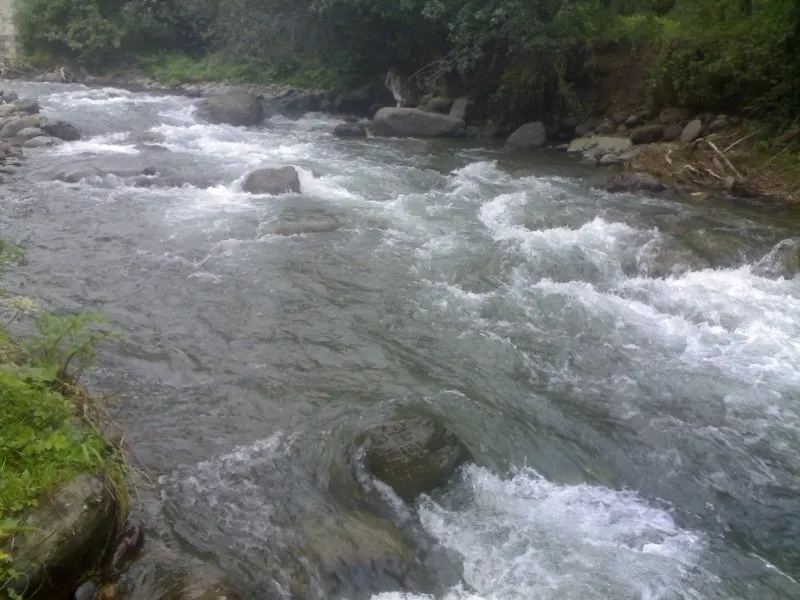
The National Environmental Monitoring Department of the Ministry of Ecology and Natural Resources of Azerbaijan has released the results of monitoring carried out in the first ten days of September to study the level of pollution of the transboundary Kura and Araz rivers and the pollution status of their transboundary tributaries.
According to the ministry's press service, during the monitoring on the section of the Kura exposed to transboundary pollution from Georgia, elevated levels of phenols and copper compounds were found in the water. At the Shikhli-2 section, the phenol content exceeded the permissible norm by 4 times and copper compounds by 6 times; in the Agstafachay, phenol content exceeded the norm by 3 times and copper compounds by 4 times; in the reservoir of the same name, phenols and copper compounds exceeded the permissible norm by 3 times. Among biogenic substances, nitrate ions are within the norm, but ammonium ions exceeded the permissible norm in the Agstafachay by 1.2 times, and nitrite ions at the Shikhli-2 and Agstafachay sections of the Kura by 1.2-1.5 times. The reason for this is wastewater from household, livestock and industrial facilities on the territories of Georgia and Armenia entering the water bodies.
In the Araz river, which crosses the border with Armenia, copper and phenol levels were also found to exceed the norm many times over. At the Horadiz section, the phenol content exceeded the norm by 4 times and copper compounds by 4 times; at Shahsevan 1, phenol compounds exceeded the permissible norm by 3 times and copper compounds by 5 times; at Bahramtepe, phenols exceeded the permissible norm by 3 times and copper compounds by 4 times. Although among biogenic substances nitrate and ammonium ions are within the norm, nitrite ions exceeded the permissible norm by 1.1 times at the Horadiz section of the Araz, by 1.7 times at Bahramtepe, and by 1.8 times at Shahsevan I. In this case too, the cause of the pollution is wastewater from the territory of Armenia.
The oxygen regime of the water at all sections is within the norm (6.3-7.6 mg/l).
According to the ministry's press service, during the monitoring on the section of the Kura exposed to transboundary pollution from Georgia, elevated levels of phenols and copper compounds were found in the water. At the Shikhli-2 section, the phenol content exceeded the permissible norm by 4 times and copper compounds by 6 times; in the Agstafachay, phenol content exceeded the norm by 3 times and copper compounds by 4 times; in the reservoir of the same name, phenols and copper compounds exceeded the permissible norm by 3 times. Among biogenic substances, nitrate ions are within the norm, but ammonium ions exceeded the permissible norm in the Agstafachay by 1.2 times, and nitrite ions at the Shikhli-2 and Agstafachay sections of the Kura by 1.2-1.5 times. The reason for this is wastewater from household, livestock and industrial facilities on the territories of Georgia and Armenia entering the water bodies.
In the Araz river, which crosses the border with Armenia, copper and phenol levels were also found to exceed the norm many times over. At the Horadiz section, the phenol content exceeded the norm by 4 times and copper compounds by 4 times; at Shahsevan 1, phenol compounds exceeded the permissible norm by 3 times and copper compounds by 5 times; at Bahramtepe, phenols exceeded the permissible norm by 3 times and copper compounds by 4 times. Although among biogenic substances nitrate and ammonium ions are within the norm, nitrite ions exceeded the permissible norm by 1.1 times at the Horadiz section of the Araz, by 1.7 times at Bahramtepe, and by 1.8 times at Shahsevan I. In this case too, the cause of the pollution is wastewater from the territory of Armenia.
The oxygen regime of the water at all sections is within the norm (6.3-7.6 mg/l).
Comments (0)
No comments yet
Registered members will be able to comment once registration opens.
About this material
Type
News
Author
sazan
Date
25.09.2008
Views
7 675