NEWS
· 01.07.2009
The Ministry of Ecology and Natural Resources has published the results of monitoring on the beaches of Baku and Sumgayit
8 540
S
sazan
·
Added 01 July 2009
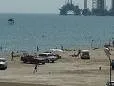
Specialists of the Caspian Complex Environmental Monitoring Administration of the Ministry of Ecology and Natural Resources (MENR), together with staff of the Sanitary and Epidemiological Station of the city of Baku, carried out monitoring at the beaches of Baku and Sumgayit. As the MENR press service reported, during the monitoring, conducted from 12 May to 18 June, 153 water samples were taken at 50 points on beach territories. Based on these samples, 1032 physico-chemical, chemical and microbiological analyses were carried out.
According to the results of the analyses carried out along the Novkhani-Pirallahi coastal strip (the eastern part of the Novkhani dacha area, Pirshagi, Nardaran, Bilgah, Buzovna, Mardakan-Shuvalan), where modular-type treatment units have been installed, the levels of the components detected in the seawater samples are within the norm. Slight microbiological contamination was observed along the coastal strip of the dacha areas in Gurgan and Novkhani. The cause of the contamination is the discharge of untreated polluted water from the Gurgan residential area, the 5th and 6th microdistricts of Sumgayit, the settlements and dacha areas of Jorat and Saray, and the dacha areas of Novkhani. Although the 7 treatment units installed by the MENR in early June along the Novkhani-Sumgayit coastal strip ensure the treatment of polluted water in this direction to a certain extent, the sewage water coming in large quantities from Sumgayit pollutes these areas. When the wind blows from the north, the polluted areas expand even further.
Based on the results of the analyses, the MENR also determined the quantitative and qualitative indicators of individual beaches: "The amount of physico-chemical and chemical components in the seawater samples taken in the direction of the 5th microdistrict of the city of Sumgayit is within the norm. According to the results of microbiological tests, the sample taken is contaminated. The E. coli count is 273,000 per liter. In the seawater samples taken in the settlement of Jorat, the amount of physico-chemical and chemical components is within the norm. According to the results of microbiological analyses, the sample is contaminated. The E. coli count is 181,000 per liter. In the seawater samples taken from the area in front of the "Diana" recreation center in Jorat, the amount of physico-chemical and chemical components is within the norm. According to microbiological analyses, the sample is contaminated. The E. coli count is 122,000 per liter. The amount of physico-chemical and chemical components in the seawater samples taken in front of the "Gamigaya" restaurant in Jorat is within the norm. According to the results of microbiological analyses, the sample is contaminated. The E. coli count is 47,000 per liter In the seawater samples taken in front of the "Sunsit" recreation center in Jorat, the amount of physico-chemical and chemical components is within the norm. According to the results of microbiological analyses, the sample is contaminated. The E. coli count is 38,000 per liter. In the seawater samples taken from the area in front of the "Sama" recreation center in Jorat, the amount of physico-chemical and chemical components is within the norm. According to the results of microbiological analyses, the sample is contaminated. The E. coli count is 17,000 per liter. In the seawater samples taken from the area in front of the "Aquapark" recreation center in Novkhani, the amount of physico-chemical and chemical components is within the norm. According to the results of microbiological analyses, the sample is contaminated. The E. coli count is 15,000 per liter. In the seawater samples taken from the beach area in Novkhani, the amount of physico-chemical and chemical components is within the norm. According to the results of microbiological analyses, the sample is contaminated. The E. coli count is 5,600 per liter.
In the seawater samples taken from the Hovsan beach area, the amount of physico-chemical and chemical components is within the norm. According to the results of microbiological analyses, the sample is contaminated. The E. coli count is 56,000 per liter. In the seawater samples taken in front of the "Hövsan Aerasiya" station, a number of chemical components slightly exceed the norm. According to the results of microbiological analyses, the sample is contaminated. The E. coli count is 112,000 per liter.
In the seawater samples taken in front of the "Min bir gecha" restaurant on the Shikh beach, a number of chemical components exceed the norm. According to the results of microbiological analyses, the sample is contaminated. The E. coli count is 45,000 per liter. In the seawater samples taken in front of the "Delfin" hotel on the Shikh beach, a number of chemical components exceed the norm. According to the results of microbiological analyses, the sample is contaminated. The E. coli count is 34,000 per liter. In the seawater samples taken in front of the "Ramada" recreation center on the Shikh beach, a number of chemical components exceed the norm. According to the results of microbiological analyses, the sample is contaminated. The E. coli count is 42,000 per liter.
In the seawater samples taken from the "Sahil" beach area in the Garadagh district, a number of chemical components exceed the norm. According to the results of microbiological analyses, the sample is contaminated. The E. coli count is 160,000 per liter. In the seawater samples taken in front of the "Sahil" restaurant in the Garadagh district, a number of chemical components exceed the norm. According to the results of microbiological analyses, the sample is contaminated. The E. coli count is 157,000 per liter.
According to the results of the monitoring carried out at the beaches in preparation for the beach season, the areas deemed unsatisfactory for use are the Sumgayit, Hovsan, Shikh and Sahil beaches and the western part of the Novkhani beach. The reason for this is untreated household waste flowing into the sea in large volumes from Sumgayit and the dacha areas, and wastewater not treated to permissible standards entering the sea from Sahil and Shikh.
According to the results of the analyses carried out along the Novkhani-Pirallahi coastal strip (the eastern part of the Novkhani dacha area, Pirshagi, Nardaran, Bilgah, Buzovna, Mardakan-Shuvalan), where modular-type treatment units have been installed, the levels of the components detected in the seawater samples are within the norm. Slight microbiological contamination was observed along the coastal strip of the dacha areas in Gurgan and Novkhani. The cause of the contamination is the discharge of untreated polluted water from the Gurgan residential area, the 5th and 6th microdistricts of Sumgayit, the settlements and dacha areas of Jorat and Saray, and the dacha areas of Novkhani. Although the 7 treatment units installed by the MENR in early June along the Novkhani-Sumgayit coastal strip ensure the treatment of polluted water in this direction to a certain extent, the sewage water coming in large quantities from Sumgayit pollutes these areas. When the wind blows from the north, the polluted areas expand even further.
Based on the results of the analyses, the MENR also determined the quantitative and qualitative indicators of individual beaches: "The amount of physico-chemical and chemical components in the seawater samples taken in the direction of the 5th microdistrict of the city of Sumgayit is within the norm. According to the results of microbiological tests, the sample taken is contaminated. The E. coli count is 273,000 per liter. In the seawater samples taken in the settlement of Jorat, the amount of physico-chemical and chemical components is within the norm. According to the results of microbiological analyses, the sample is contaminated. The E. coli count is 181,000 per liter. In the seawater samples taken from the area in front of the "Diana" recreation center in Jorat, the amount of physico-chemical and chemical components is within the norm. According to microbiological analyses, the sample is contaminated. The E. coli count is 122,000 per liter. The amount of physico-chemical and chemical components in the seawater samples taken in front of the "Gamigaya" restaurant in Jorat is within the norm. According to the results of microbiological analyses, the sample is contaminated. The E. coli count is 47,000 per liter In the seawater samples taken in front of the "Sunsit" recreation center in Jorat, the amount of physico-chemical and chemical components is within the norm. According to the results of microbiological analyses, the sample is contaminated. The E. coli count is 38,000 per liter. In the seawater samples taken from the area in front of the "Sama" recreation center in Jorat, the amount of physico-chemical and chemical components is within the norm. According to the results of microbiological analyses, the sample is contaminated. The E. coli count is 17,000 per liter. In the seawater samples taken from the area in front of the "Aquapark" recreation center in Novkhani, the amount of physico-chemical and chemical components is within the norm. According to the results of microbiological analyses, the sample is contaminated. The E. coli count is 15,000 per liter. In the seawater samples taken from the beach area in Novkhani, the amount of physico-chemical and chemical components is within the norm. According to the results of microbiological analyses, the sample is contaminated. The E. coli count is 5,600 per liter.
In the seawater samples taken from the Hovsan beach area, the amount of physico-chemical and chemical components is within the norm. According to the results of microbiological analyses, the sample is contaminated. The E. coli count is 56,000 per liter. In the seawater samples taken in front of the "Hövsan Aerasiya" station, a number of chemical components slightly exceed the norm. According to the results of microbiological analyses, the sample is contaminated. The E. coli count is 112,000 per liter.
In the seawater samples taken in front of the "Min bir gecha" restaurant on the Shikh beach, a number of chemical components exceed the norm. According to the results of microbiological analyses, the sample is contaminated. The E. coli count is 45,000 per liter. In the seawater samples taken in front of the "Delfin" hotel on the Shikh beach, a number of chemical components exceed the norm. According to the results of microbiological analyses, the sample is contaminated. The E. coli count is 34,000 per liter. In the seawater samples taken in front of the "Ramada" recreation center on the Shikh beach, a number of chemical components exceed the norm. According to the results of microbiological analyses, the sample is contaminated. The E. coli count is 42,000 per liter.
In the seawater samples taken from the "Sahil" beach area in the Garadagh district, a number of chemical components exceed the norm. According to the results of microbiological analyses, the sample is contaminated. The E. coli count is 160,000 per liter. In the seawater samples taken in front of the "Sahil" restaurant in the Garadagh district, a number of chemical components exceed the norm. According to the results of microbiological analyses, the sample is contaminated. The E. coli count is 157,000 per liter.
According to the results of the monitoring carried out at the beaches in preparation for the beach season, the areas deemed unsatisfactory for use are the Sumgayit, Hovsan, Shikh and Sahil beaches and the western part of the Novkhani beach. The reason for this is untreated household waste flowing into the sea in large volumes from Sumgayit and the dacha areas, and wastewater not treated to permissible standards entering the sea from Sahil and Shikh.
Comments (0)
No comments yet
Registered members will be able to comment once registration opens.
About this material
Type
News
Author
sazan
Date
01.07.2009
Views
8 540